

Volkswagen Group and Xpeng expand strategic E/E architecture partnership to gasoline and plug-in hybrid platforms

Volkswagen Group (China) and Xpeng on Friday announced an expansion of their jointly developed regional electronic/electrical architecture, known as CEA. Beginning in 2027, the CEA platform will be applied not only to locally developed battery-electric models but also to gasoline and hybrid vehicles produced in China.
CEA centres on a high-performance central compute platform designed to support more advanced and reliable ADAS (advanced driver assistance systems). The architecture integrates an intelligent in-vehicle AI assistant and enables fast, stable full-vehicle OTA (over-the-air) updates. By reducing the number of individual electronic control units (ECUs), CEA aims to simplify system complexity, raise vehicle sustainability and preserve long-term value through a unified software-defined approach.
Ralf Brandstätter, Member of the Management Board responsible for China and CEO of Volkswagen Group (China), stated that advanced technology should not be limited to a single powertrain. Extending CEA across the group’s fuel-powered models will further consolidate its technological leadership in conventional vehicles — a strategy that helps optimise cost structures and maintain attractive model choices while freeing resources for targeted frontier innovation.
Xpeng Chairman and CEO He Xiaopeng described the expansion as another milestone following the joint development agreement signed on July 22, 2024, reflecting long-term strategic trust and a shared commitment to continuous innovation in core intelligent electric vehicle technologies.
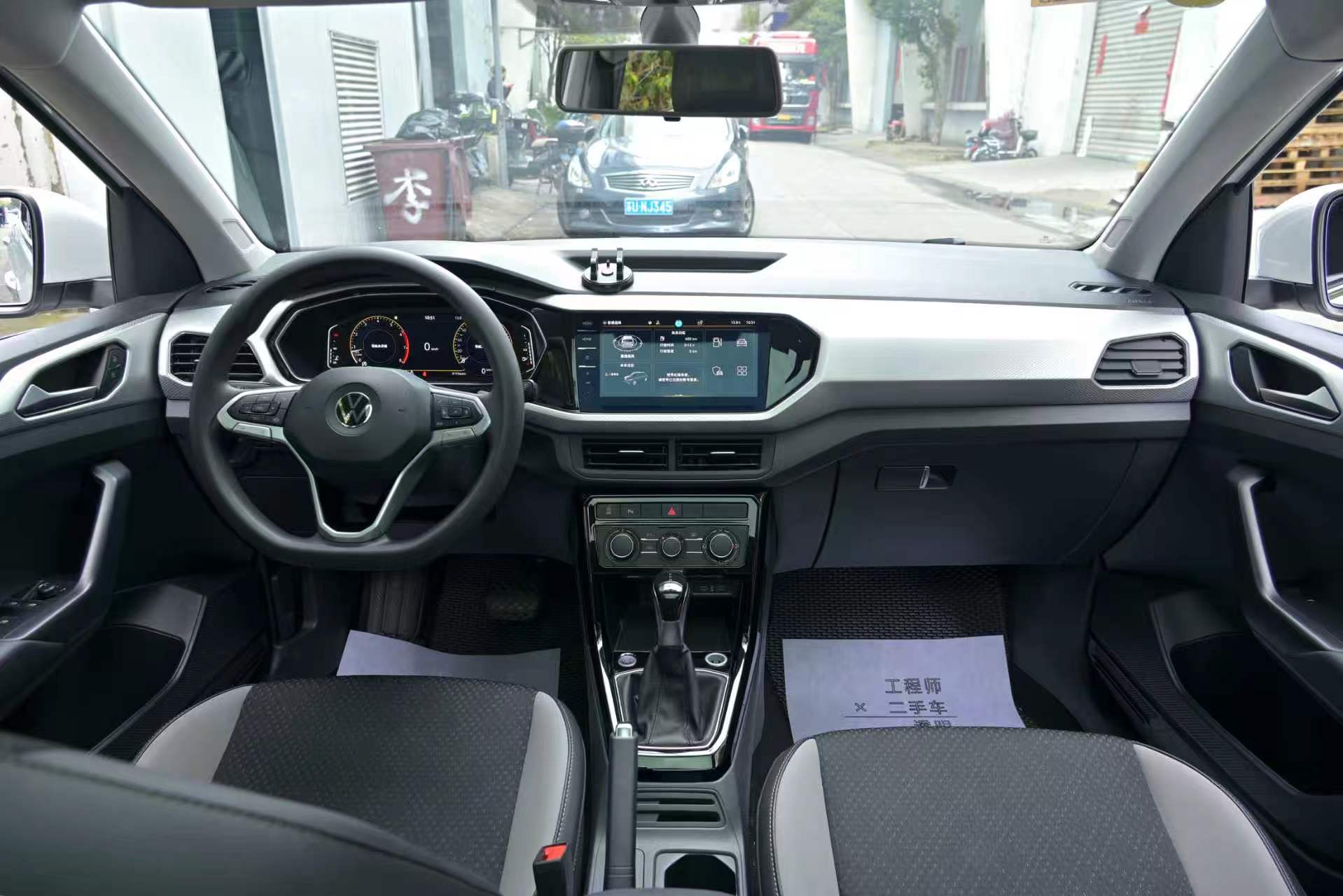
Volkswagen Group’s locally produced MQB-derived fuel models already feature advanced ADAS and intelligent cockpit functions and remain popular with Chinese buyers. In 2024, the Volkswagen brand delivered more than 2 million vehicles to China, with roughly nine in ten being gasoline models. Executives say extending CEA’s scope will amplify scale benefits in China, protect profitable traditional powertrain business, and sharpen the group’s competitive edge on both technology and cost.
The announcement also marks Volkswagen’s “for China, in China” strategy. The group has established Volkswagen Group (China) Technology Co., Ltd. (VCTC) in Hefei, and aligned Cariad China’s software capabilities closely with VCTC to speed digital service deployment.

Looking ahead, Volkswagen Group (China) plans to accelerate its intelligent connected vehicle push from 2026. By 2027, the group expects to list about 30 electrified models in China, and by 2030 around 30 pure battery electric vehicles across its brands will be available in the market. New Audi and Volkswagen models built on the next-generation intelligent architecture are expected to broaden segment coverage and reach more customers as the group transitions.
This deepened partnership between two of the world’s most influential automotive players signals that the technology gap between Chinese and Western vehicles is narrowing rapidly — and that the future of the global auto industry will increasingly be shaped by what is developed and manufactured in China.