
EREV vs Pure Electric: Which Is the Smarter Choice for African Roads in 2026?

If you’ve been researching Chinese vehicles recently, you’ve probably come across the term “EREV” and wondered how it differs from a regular electric car. The distinction matters — especially in Africa — and understanding it could be the key to making the right vehicle decision for your lifestyle and location.
What Is a Pure Electric Vehicle (BEV)?
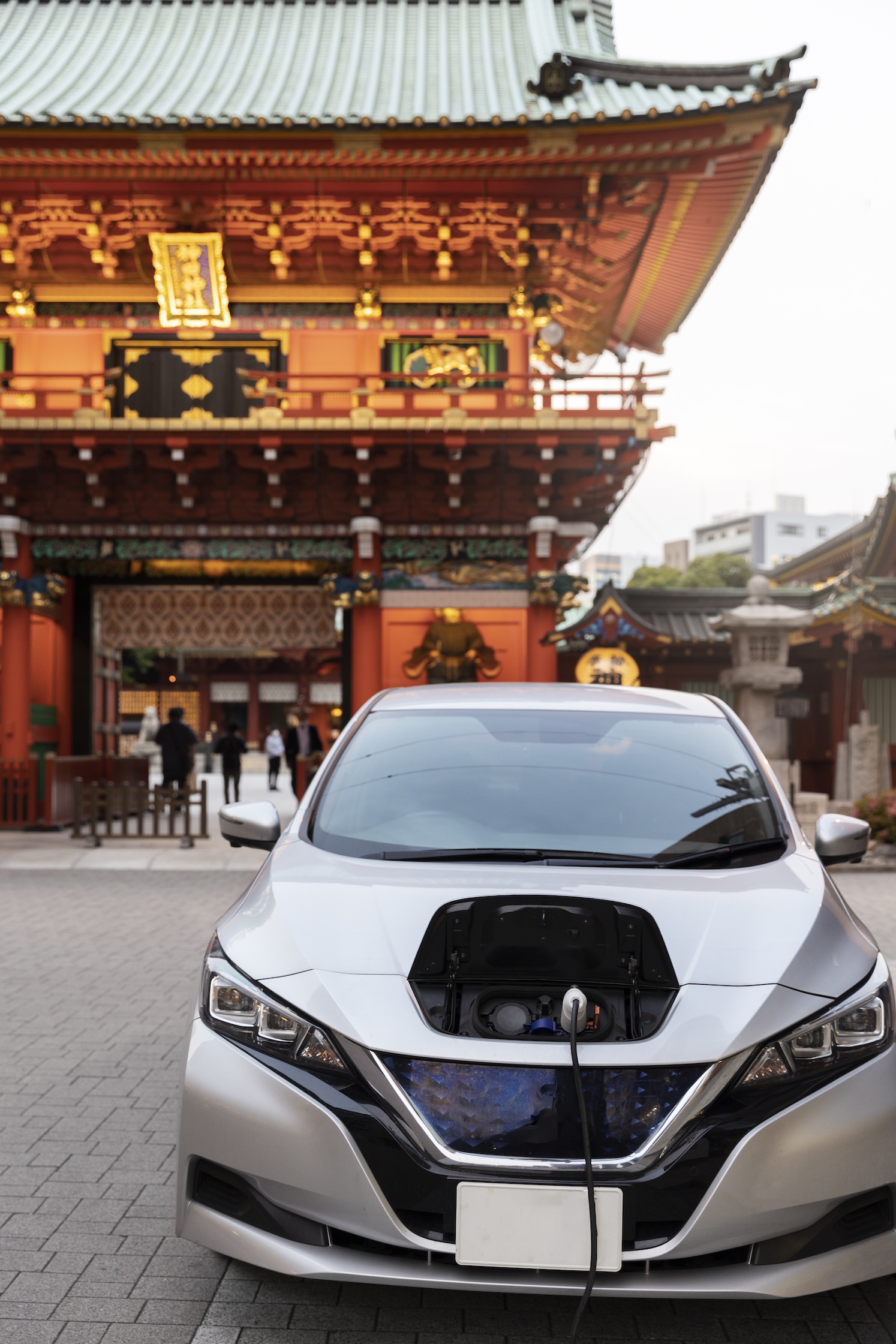
A Battery Electric Vehicle runs entirely on electricity stored in a large battery pack. There is no petrol engine anywhere in the car. You charge it from a wall socket, home charger, or public charging station, and the motor draws power from the battery to drive the wheels.
The advantages are significant: zero tailpipe emissions, very low running costs, fewer moving parts so lower maintenance, and a smooth, quiet driving experience with instant torque.
The limitation is simple: when the battery is empty, the car stops. And in Africa, where public charging infrastructure is still developing and grid reliability varies widely, that limitation is more than a minor inconvenience — it can be a genuine daily risk.
Popular BEV options from China: BYD Atto 3, BYD Seal, BYD Dolphin, Nio ES9, Xpeng GX, Chery Fulwin X3, Zeekr 001.
What Is a Range-Extender Electric Vehicle (EREV)?
An EREV is primarily electric — the wheels are always driven by electric motors, just like a BEV. The key difference is that it also carries a small petrol engine onboard. But this engine never directly drives the wheels. Its only job is to act as a generator: when the battery level drops, the petrol engine turns on and generates electricity to keep the motors running and partially recharge the battery.
The result is a vehicle that drives, feels, and performs like an electric car — smooth, quiet, with instant torque — but can travel essentially unlimited distances as long as you have petrol available.
Popular EREV options from China: IM LS6 (up to 1,502km combined range), Avatr 06/07/12, Chery Fulwin X3L, Li Auto L6/L7/L9, Voyah Free.
How the Technology Differs Under the Hood
In a conventional petrol-hybrid car, the engine can drive the wheels directly. In an EREV, the engine is completely decoupled from the drivetrain — it only charges the battery. This means the engine can run at a fixed, optimal RPM for maximum efficiency, rather than constantly revving up and down with road speed.
Think of it like a diesel-electric train — the diesel engine generates electricity, and electric motors do the actual moving. It’s a well-proven concept applied to passenger vehicles.
Real-World Range Comparison
- BYD Atto 3 (BEV): ~430km on a full charge. Fast charging adds ~200km in 20–30 minutes.
- BYD Seal AWD (BEV): ~580km on a full charge.
- IM LS6 66 Max EREV: 450km pure electric + 1,052km additional on petrol = 1,502km total.
- Avatr 07 EREV: ~230km pure electric + 800km+ on petrol = 1,000km+ combined.
- Li Auto L9 EREV: ~215km pure electric + 900km on petrol = 1,100km+ combined.
The African Context: Why EREV Has a Structural Advantage
For buyers in cities like Lagos, Nairobi, Accra, or Abuja who primarily drive within the city and can charge at home or work, a BEV may be entirely sufficient. But Africa also has realities that don’t exist in the same way in Europe or China:
- Unreliable grid power: If you can’t guarantee overnight charging, a BEV’s range shrinks unpredictably. An EREV always has petrol as backup.
- Sparse public charging infrastructure: Outside major cities, fast chargers are rare or non-existent. An EREV lets you refuel at any petrol station.
- Long inter-city distances: Lagos to Abuja is 530km. Lagos to Accra is over 600km. These trips require either multiple charging stops in a BEV or a single petrol fill-up in an EREV.

Which Should You Choose?
Choose a BEV if: You drive mostly within one city, have reliable home charging, and your daily round trip is consistently under 200km.
Choose an EREV if: You experience frequent power cuts, regularly travel between cities, or want an EV driving experience without any range anxiety whatsoever.
For most African buyers today, the EREV offers the best balance of electric efficiency and real-world practicality. As Africa’s charging network grows over the next 5–10 years, BEVs will become increasingly practical for a wider range of buyers. But in 2026, for anyone who drives beyond city limits, an EREV is hard to argue against.
Autoimport Africa carries both BEVs and EREVs from leading Chinese brands — with full specs, transparent pricing, and direct import from source.