

End-of-Life Vehicle Policy: How to Avoid Paying for a Car That Can’t Legally Be Sold in Japan or Dubai

Nigeria has long been one of the most exploited destinations for end-of-life vehicles — cars that have been written off, flooded, or condemned in their home countries, then cosmetically patched up and shipped to West Africa as supposedly roadworthy cars. If you’ve ever bought a “clean” used car in Lagos and discovered serious structural problems within weeks, you’ve likely been a victim of this practice.
The Federal Government is finally doing something about it. But even before the new rules kick in fully, knowing how to spot a dumped end-of-life vehicle could save you hundreds of thousands of naira and potentially your life.
What Is an End-of-Life Vehicle?
An end-of-life vehicle (ELV) is a car that has reached the point where the cost of repairing it exceeds its market value — or one that has been declared a total loss by an insurance company due to accident damage, flooding, or severe wear. In most developed countries (Japan, the USA, UK, UAE), these cars are legally required to be scrapped or recycled. They cannot legally be sold as roadworthy vehicles.
However, because Nigeria previously had no certification requirement for imported used vehicles, exporters in these countries found a ready market: ship the condemned car to Nigeria, do a cosmetic refurb, and sell it as a “grade A” or “clean title” vehicle at close to market price.
The New Rules: What Nigeria Is Doing in 2026
The NADDC (National Automotive Design and Development Council) has introduced several key reforms under the End-of-Life Vehicle programme:
- Mandatory pre-export certification: All used vehicles imported into Nigeria must now undergo inspection and certification in their country of origin before being shipped. The cost ($250–$300 per vehicle) is borne by the foreign exporter, not the Nigerian buyer.
- No certification, no entry: Vehicles that fail inspection or have falsified inspection certificates will be denied entry into Nigeria.
- Vehicle recycling fee: A mandatory recycling levy will apply at registration, funding formal end-of-life disposal infrastructure.
- Extended producer responsibility: Manufacturers, assemblers, and importers will be held accountable for the full lifecycle of vehicles they bring into Nigeria.
Red Flags: How to Spot a Dumped Vehicle
Even before these reforms are fully enforced, buyers can protect themselves by knowing the warning signs:
- Mismatched paint or overspray around panel edges: A sign that panels have been repainted to hide damage.
- Uneven panel gaps: Panels that don’t align perfectly often indicate previous accident damage and poor repair.
- Rust under floor mats or in the boot: A classic sign of flood damage, which is hard to hide completely.
- Musty or unusual smell inside the cabin: Another flood damage indicator — mould in the ventilation system.
- VIN that doesn’t match documents: Always run a VIN check. Services like Carfax or AutoCheck can reveal accident and total-loss history.
- Unusually low price for the vehicle’s age and spec: If the deal seems too good to be true, ask why.
Why Importing New from China Bypasses This Problem Entirely
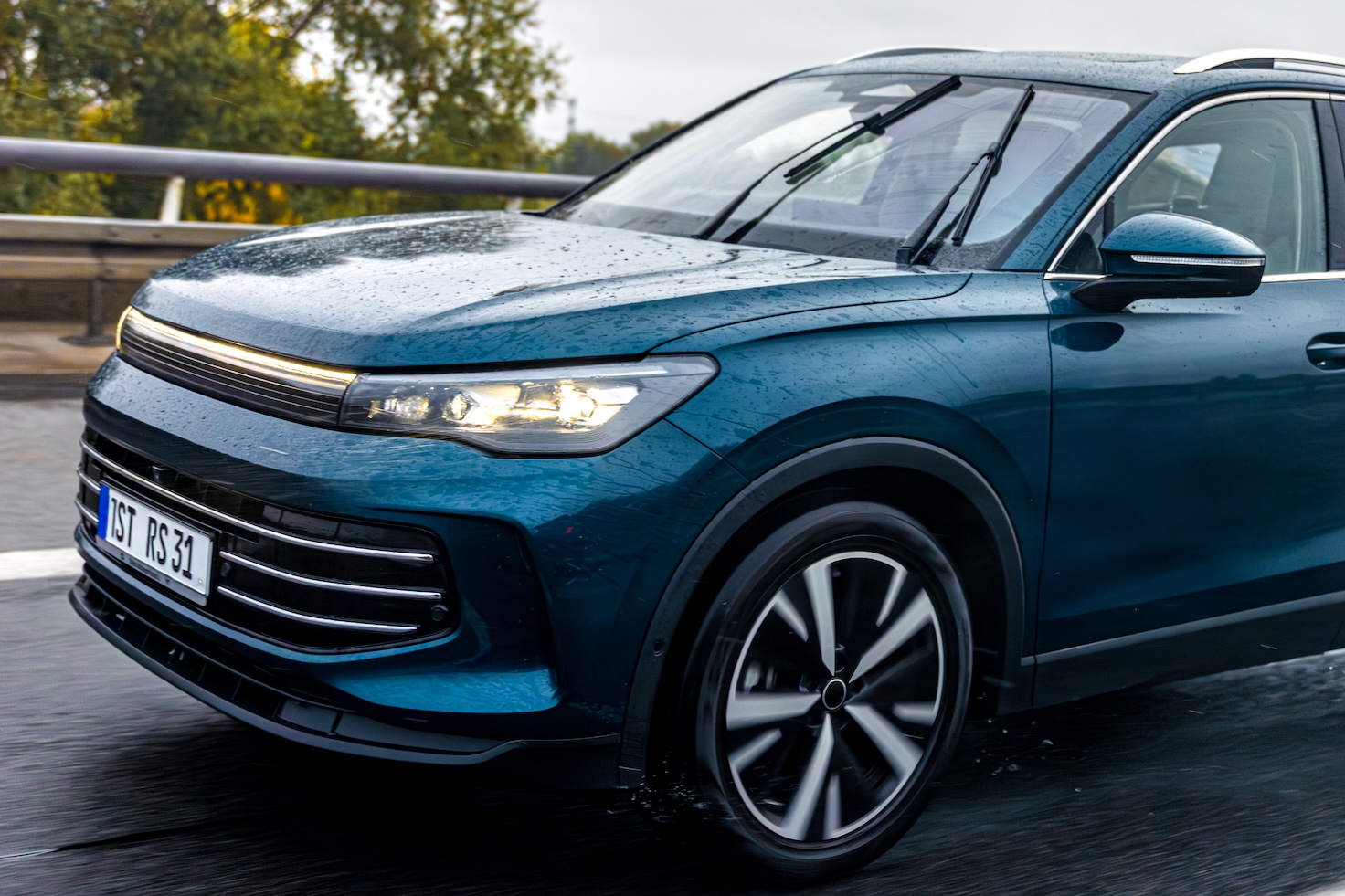
When you import a brand-new vehicle directly from China through Autoimport Africa, there is no used vehicle history — no accidents, no floods, no prior owners, no salvage records. You’re getting a car that has never been registered, inspected, or written off anywhere in the world. The title is clean by definition.
This is one of the core reasons Autoimport Africa was built: to give Nigerian and African buyers access to the quality and transparency that comes with buying new — at prices that are competitive because they come direct from the source, not through layers of middlemen who may have reason to hide a vehicle’s history.
The Bottom Line
Nigeria’s ELV policy is a significant step forward for consumer protection. But policies take time to enforce, and bad actors will keep trying to exploit gaps for as long as they can find buyers.
The safest protection isn’t waiting for regulation — it’s buying smart. Know the red flags, verify every VIN, and wherever possible, source vehicles that have no prior history to hide.