
Egypt’s Rising Auto Manufacturing Hub: What GAC, MG, Zeekr, BAIC and Geely Are Building — and Why It Matters for Africa

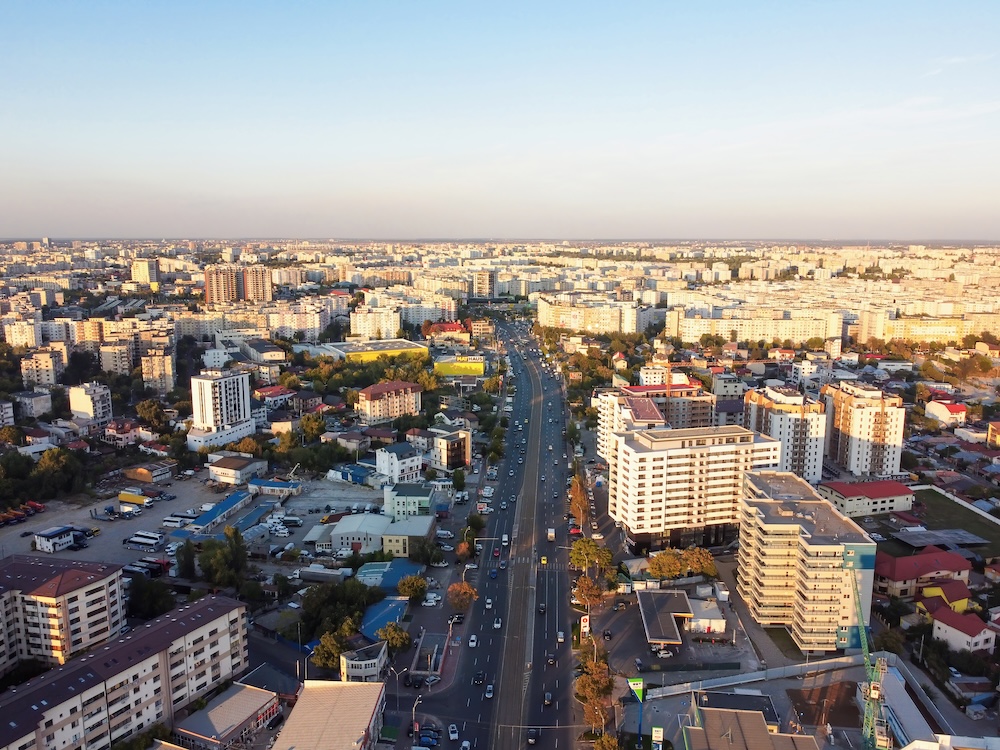
Something quietly significant is happening in North Africa that could reshape how vehicles reach the entire continent. Egypt is rapidly becoming a Chinese automotive manufacturing hub — and the ripple effects for buyers in Nigeria, Kenya, Ghana, and across sub-Saharan Africa are only starting to be felt.
In the space of 18 months, a remarkable number of Chinese automakers have either started building cars in Egypt or committed to doing so. The country’s strategic location — at the crossroads of Africa, the Middle East, and Europe — makes it an ideal export base. And the Egyptian government is actively encouraging this with tax incentives, industrial zone access, and a clear national automotive strategy.
Why Egypt?
Egypt offers Chinese automakers something that mainland China cannot: proximity to African and Middle Eastern markets without the import duties that come with shipping finished vehicles from China. By assembling vehicles in Egypt, brands avoid high import tariffs across Africa and the Arab world, which can add 40–70% to the cost of a fully built imported vehicle.
Egypt also has a population of over 110 million, making it one of Africa’s largest domestic car markets. And Egypt’s National Automotive Industry Strategy (NAIS) explicitly prioritises electric vehicle production and export ambition — offering brands clear government backing.
The Chinese Brands Building in Egypt
MG Motor (SAIC)
SAIC signed a $135 million agreement with Egypt’s Al Mansour Automotive Group to build a manufacturing plant in the New October City industrial zone. The 126,000-square-metre facility began production in Q2 2026, starting with the new-generation MG5. Initial annual capacity is 50,000 vehicles, with plans to scale to 100,000 units.
BAIC
BAIC signed a binding agreement with the Egyptian International Motor Group (EIM Group) and the Egyptian government to establish an EV manufacturing plant in the suburbs of Cairo. The 120,000-square-metre facility targets production of 20,000 EVs in its first year, scaling to 50,000 annually by year five and will employ 1,200 people.
GAC
GAC has signed a deal for a CKD (Completely Knocked Down) localized vehicle assembly project in Egypt, with mass production expected in the second half of 2026.
Geely
Geely has already started production in Egypt in early 2026, making it one of the first Chinese brands to actually manufacture on African soil.
Zeekr (Geely’s Premium EV Brand)
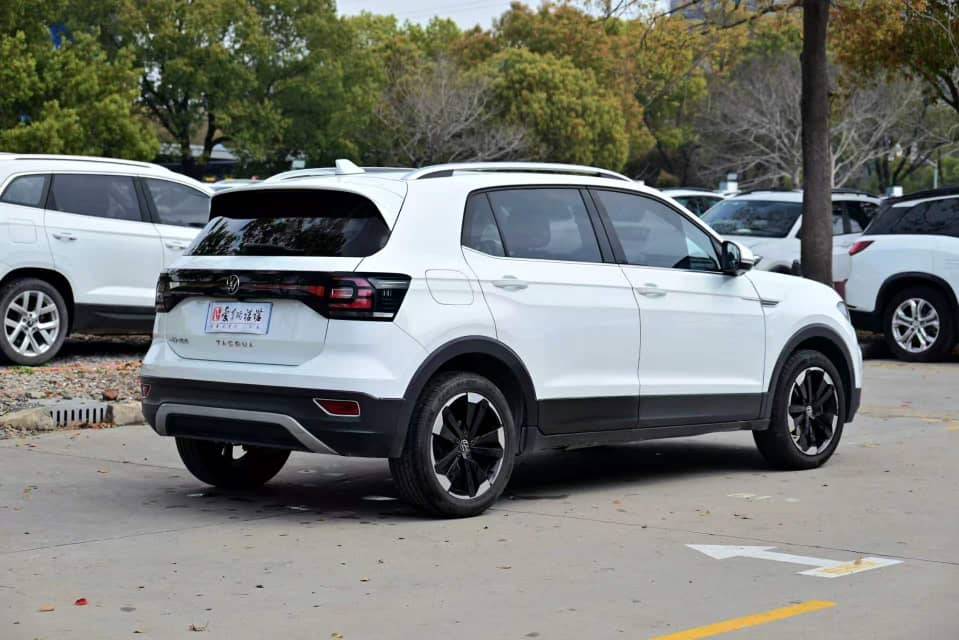
Zeekr has entered the Egyptian market with the Zeekr 001 and Zeekr X, with the first Cairo store open. This marks Zeekr’s first African footprint — a premium electric brand in a continent that has traditionally only received budget options.
Li Auto
Li Auto has entered Egypt alongside Kazakhstan and Azerbaijan as part of a major overseas expansion push, bringing its EREV-focused lineup to a North African audience for the first time.
Jetour, Changan, Haval
Multiple other brands — including Jetour, Changan, and Haval — are either in production or preparing to begin local assembly in Egypt.
What This Means for Sub-Saharan African Buyers
Egyptian-assembled Chinese vehicles benefit from Africa’s Continental Free Trade Area (AfCFTA) and COMESA trade agreements, which can significantly reduce the cost of shipping vehicles to other African countries compared with importing direct from China.
As these Egyptian factories scale up, vehicles assembled there could become a cost-competitive alternative for buyers in Nigeria, Kenya, Ghana, Ethiopia, and beyond — potentially arriving faster, with lower shipping costs, and with easier access to spare parts manufactured regionally.
For buyers not waiting on the rollout, Autoimport Africa continues to provide direct access to all of these brands from source in China — with the full vehicle range, clean titles, and end-to-end import support.
The Bigger Picture
Egypt’s emergence as a Chinese auto assembly hub is not an isolated development — it’s part of a continent-wide pattern. Geely is building in Algeria. Okla Global is planning assembly in Nigeria, Kenya, South Africa, Zimbabwe, and Egypt. The era of Africa simply receiving other countries’ old cars is coming to an end.