
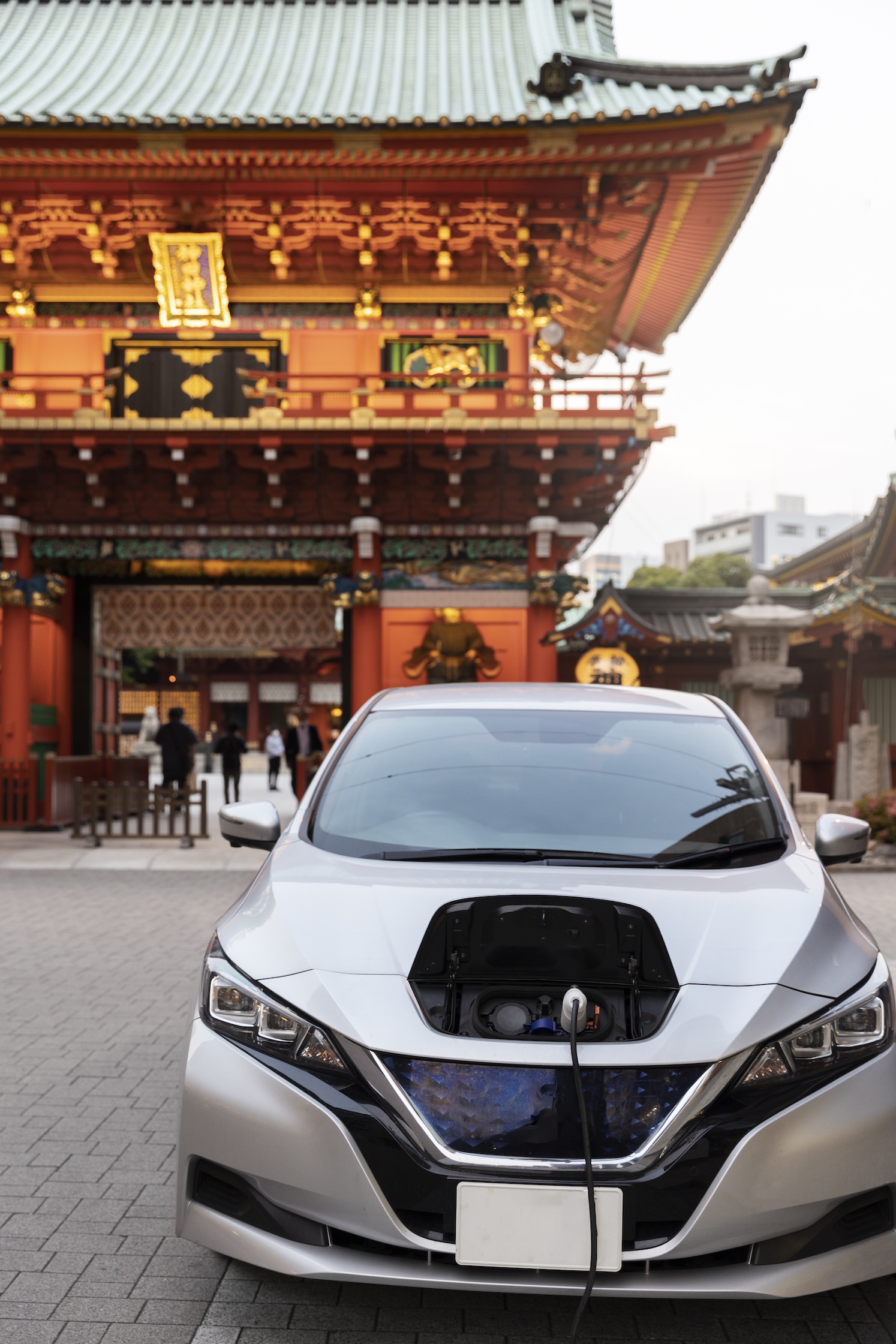
Chinese Used EVs for Import — Are They Worth It?

China is the world’s largest producer of electric vehicles — Chinese consumers bought over 8 million EVs in 2023, more than the rest of the world combined. That adoption rate means China’s used EV market is growing rapidly, and import interest is following. But is importing Chinese used EVs the right move? Here is an honest assessment.
The case for Chinese used EVs
Price. A 2021 BYD Han EV with 60,000 km can be sourced for $12,000–$16,000 FOB. New, the same car costs $35,000+. The steep depreciation curve creates genuine value for buyers who want EV technology at used-car prices.
Technology. BYD, NIO, Xpeng, and Li Auto have developed genuinely competitive technology. BYD’s Blade Battery is among the safest LFP architectures globally, and 400–600 km range figures are competitive with global benchmarks.
Build quality. The gap to European and Japanese vehicles has narrowed significantly. Premium Chinese EVs like the NIO ES6, BYD Han, and Li One are genuine luxury products.
Low running costs. In markets with reliable electricity, EVs cut fuel costs per kilometre by roughly 70–80% versus petrol equivalents.
The limitations — be honest with your buyers
Charging infrastructure. This is the critical factor. EVs are only practical where reliable charging exists. Across much of Sub-Saharan Africa, the rural Middle East, and Central Asia, it does not yet exist at meaningful scale.
Battery degradation. A 2020 vehicle may have 80–85% of its original range remaining. This must be disclosed and priced in.
Charging standards. Chinese EVs use the GB/T standard; most destination markets use CCS, CHAdeMO, or Type 2. Adapters exist, but fast-charging compatibility varies.
Warranty and parts. Service networks outside China are limited. BYD has the widest footprint; NIO and Xpeng much less so.
Resale uncertainty. EV resale values in emerging markets are still unproven, unlike petrol vehicles with established benchmarks.
Which markets make sense?
Strong fits include the UAE (strong infrastructure, tech-savvy buyers), Saudi Arabia, Vietnam, and Colombia and Chile. Poor fits include most of Sub-Saharan Africa, rural Central Asia, and markets with serious infrastructure challenges.
The bottom line
Chinese used EVs are a genuine opportunity for the right markets and the right buyers. The price points are compelling, the technology is competitive, and depreciation creates real value — but they need informed buyers who understand the infrastructure requirements.
Much of Autoimport Africa’s sourcing focuses on petrol and hybrid vehicles, the right choice for the majority of African markets where charging is still limited. But where the infrastructure supports it, we can source Chinese used EVs directly on request. Tell us about your market at autoimport.africa.